
Solar Battery Installation in Woolgoolga
- Licensed & Accredited
- Residential to Industrial
- Solar & EV Specialists
Request a Call Back in Woolgoolga
Thank you for contacting Ray Smith Electrical.
We will get back to you as soon as possible.
Oops, there was an error sending your message.
Please try again later.
Woolgoolga Solar Battery Installation
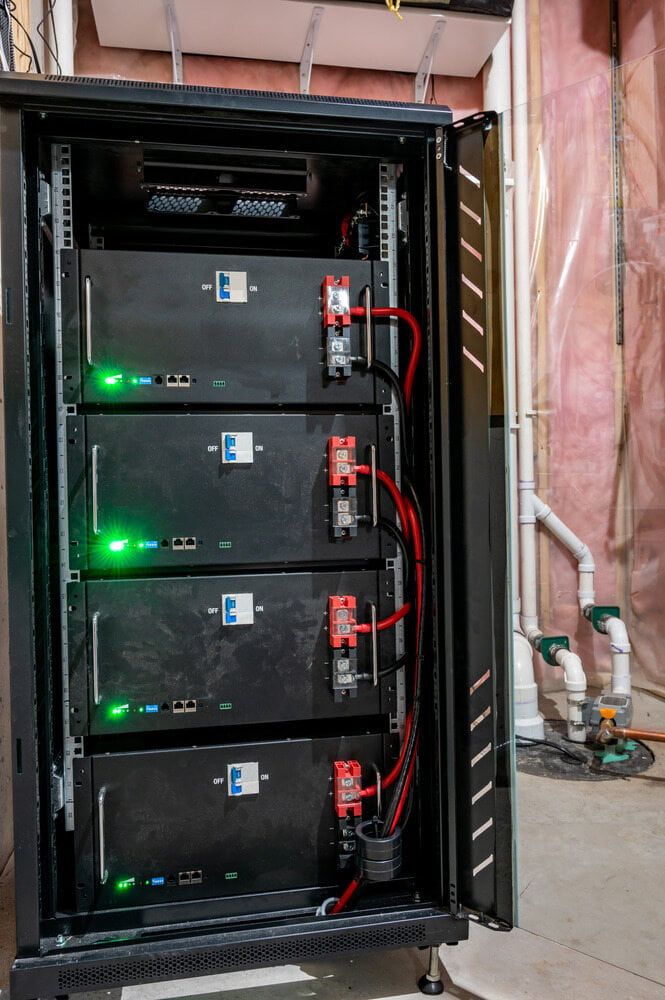
Adding battery storage to your solar system is an important step for many households and businesses, and we’re here to assist with that process. At Ray Smith Electrical, we provide solar battery installation services throughout Woolgoolga, with a focus on helping locals get the right setup for their existing or planned solar infrastructure. Our team is Clean Energy Council-accredited and licensed to install solar batteries that suit a wide range of system sizes and load requirements.
Whether you're looking to install a new battery alongside panels or retrofit one to an existing setup, we’ll guide you through the available options and compatibility factors. We supply and install batteries from well-established brands and ensure all work meets current Australian standards for safety and performance. Every installation is carried out with attention to site-specific factors, including usage patterns, switchboard configuration and available space. For homes and businesses in Woolgoolga, we understand that battery systems are a big investment, so we take the time to get it right. We also remain available post-installation for service questions, follow-ups and system performance checks.
If you’re considering battery storage, give us a call on 02 6652 4242 to talk through the options and next steps.
Supporting Local Solar Systems
Our solar battery installations in Woolgoolga are carefully planned around each customer’s existing or future solar system. We begin by assessing the current setup, whether you’ve already got panels or are starting from scratch, and check that your system and meter board are ready for battery integration.
We’ll recommend suitable battery units based on how much power you typically use, how your usage is spread throughout the day, and how much backup power you want available. All installations are completed using compliant equipment and cabling, with proper ventilation and system monitoring in place. We’ll also configure battery usage settings based on your preferences and tariffs, such as self-consumption or time-of-use charging.
Our team walks you through how to view your system performance and what to expect day-to-day. For added reassurance, we’re always on hand to answer questions and assist with any required system maintenance. For Woolgoolga locals, we aim to keep the process clear and hassle-free from start to finish.
How long do solar batteries last?
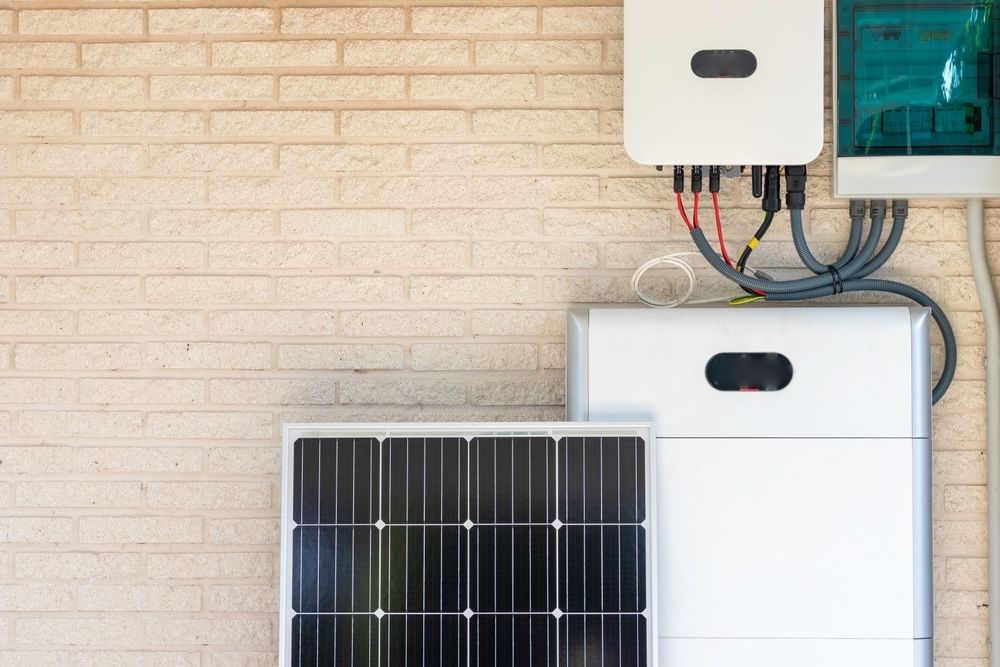
Solar batteries typically last between 5-15 years, depending on the battery type, usage patterns, and maintenance. Lithium-ion batteries — currently the most common option — generally last longer than lead-acid alternatives and can offer more efficient performance over time. Factors like temperature, charging cycles, and depth of discharge also affect lifespan. While warranties often cover around 10 years, actual performance may decline gradually, so periodic monitoring and proper care can help extend battery life.
Can I add a battery to my existing solar system?
Yes, you can add a battery to an existing solar system, but the process depends on how your current system is set up. If your inverter is battery-ready (hybrid), the upgrade may be straightforward. If not, you might need to install a compatible battery inverter or replace the existing one. It’s important to assess your system’s size, energy usage, and compatibility before choosing a battery solution. A licensed installer can advise on the best configuration for your needs.
How much storage capacity do I need in a solar battery?
The right battery size depends on how much energy you use, when you use it, and how much you want to store. For example, a typical household might install a battery between 5kWh and 13kWh. If your solar panels generate a lot of surplus energy during the day and you want to rely less on the grid at night, a larger capacity may be suitable. If you only want basic backup for a few essentials during a blackout, a smaller battery might be enough. Reviewing your energy bills and talking to a qualified installer can help you choose the right size.


